
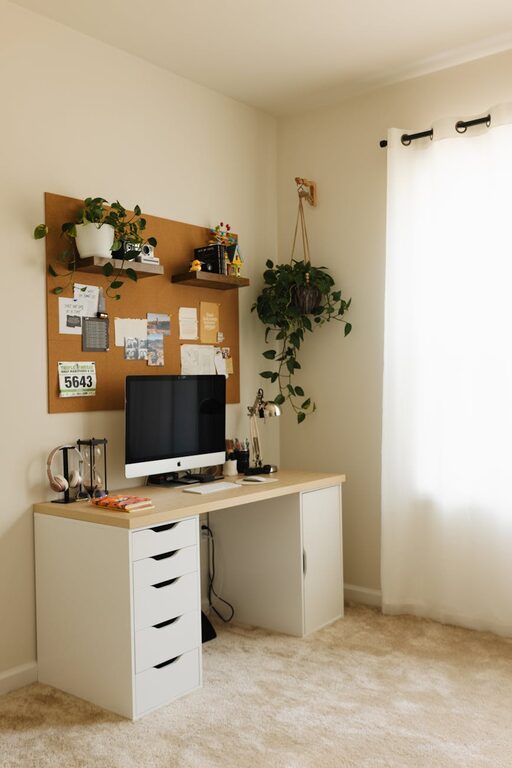
Creating a home office that feels both cozy and functional can greatly enhance your productivity and overall work experience. Whether you have a dedicated room or just a small corner, thoughtful design and organization can transform your workspace into a place where you enjoy spending time. Below are practical tips to help you build a home office that meets your needs and inspires focus.
Choose the Right Location
Selecting the best spot for your home office is the first step. Ideally, find a space that is quiet and has minimal distractions.
– Natural light: Choose a spot near a window to benefit from natural light, which helps reduce eye strain and boosts mood.
– Privacy: If possible, pick a room or corner that can be separated from household traffic and noise.
– Space considerations: Make sure there is enough room for your desk, chair, and any equipment you need without feeling cramped.
Invest in Comfortable Furniture
Comfort is key for a productive workspace, especially if you’ll be spending many hours seated.
– Ergonomic chair: A supportive chair that promotes good posture can prevent back and neck pain.
– Adjustable desk: Consider a desk with adjustable height to switch between sitting and standing positions.
– Appropriate desk size: Ensure the desk is large enough to hold your computer, documents, and any other essentials, but not so large that it dominates the space.
Optimize Lighting
Good lighting is crucial for reducing eye fatigue and maintaining energy throughout the day.
– Combine natural and artificial light: Use desk lamps or overhead lighting to supplement natural light during darker hours.
– Avoid glare: Position your computer screen perpendicular to windows to minimize glare.
– Task lighting: Use adjustable lamps to focus light on specific work areas when needed.
Organize with Purpose
An organized desk helps keep your mind clear and work efficient.
– Declutter regularly: Remove items that are not immediately necessary to keep your workspace clean.
– Storage solutions: Use shelves, drawers, and filing cabinets to store paperwork and supplies neatly.
– Desk organizers: Small containers for pens, paper clips, and other accessories keep essentials within reach.
Add Personal and Cozy Touches
Making your home office inviting encourages you to spend more pleasant time there.
– Decorate thoughtfully: Add plants, artwork, or photos that inspire you without overwhelming the space.
– Soft textiles: A comfortable rug or cozy throw can add warmth and texture.
– Temperature control: Use fans or heaters as needed to keep your workspace comfortable year-round.
Manage Technology Efficiently
Technology is at the heart of most home offices, but it can also create clutter or distractions.
– Cable management: Use cable organizers or clips to keep cords neat and untangled.
– Reliable equipment: Invest in good-quality computers, routers, and peripherals to avoid frustrations.
– Minimize distractions: Turn off non-work-related notifications and apps while working.
Set Boundaries and Schedule Breaks
Even the best setup needs good habits to maintain productivity and well-being.
– Defined work hours: Try to stick to a consistent schedule to separate work and personal life.
– Break reminders: Set timers to remind yourself to stand, stretch, or step away from the screen regularly.
– Create rituals: Simple actions like making a cup of coffee before starting can help signal the beginning of work time.
—
Designing a cozy and functional home office doesn’t require a large budget or renovation. With some planning and attention to comfort, lighting, and organization, you can create a workspace that supports both productivity and well-being. Start small, and adjust as you get used to your space—it’s all about finding what works best for you.