
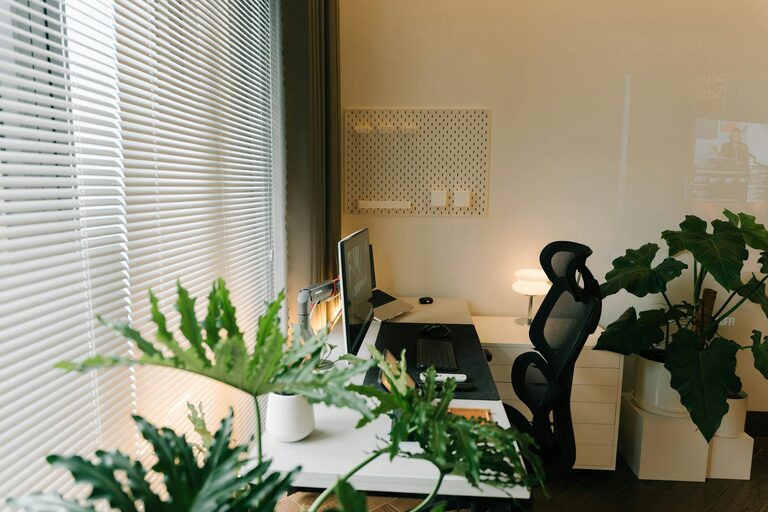
Creating a relaxing home workspace is essential in today’s world, where many people work remotely or spend long hours at their desks. A comfortable and calm environment not only improves your mood but also boosts your productivity. In this post, we’ll explore simple, effective tips to help you design a workspace that supports both relaxation and focus.
Why a Relaxing Workspace Matters
Your work environment influences how you feel and perform. If your workspace is cluttered, noisy, or uncomfortable, distractions increase and stress builds. On the other hand, a tidy, soothing space helps you concentrate, reduces stress, and can make work feel less like a chore.
Choose the Right Location
Find a Quiet Spot
Select a place in your home that is away from heavy foot traffic and loud noises. Quiet areas minimize interruptions, helping you maintain focus.
Maximize Natural Light
Natural light improves mood and alertness. Position your desk near a window if possible, but avoid glare on your computer screen.
Invest in Comfortable Furniture
Ergonomic Chair and Desk
Your chair should support good posture to avoid back pain. An adjustable chair and desk help you maintain comfort throughout the day.
Keep Your Essentials Within Reach
Organize your workspace so that frequently used items like pens, notebooks, and chargers are easy to grab. This reduces unnecessary movement and distraction.
Declutter and Organize Your Space
Keep Only What You Need
Remove unnecessary objects from your desk to create a clean environment. Clutter can increase stress and decrease productivity.
Use Storage Solutions
Invest in organizers, drawers, or shelves to store paperwork and tools neatly. A well-kept workspace feels more inviting and less stressful.
Personalize Your Workspace Thoughtfully
Add Calming Decor
Include plants or soothing artwork to bring nature indoors and promote relaxation. Avoid overly busy or bright decorations that can distract you.
Use Soft Lighting
If natural light is limited, choose warm, soft light sources rather than harsh overhead lights. Desk lamps or floor lamps with dimmers create a gentle atmosphere.
Manage Noise and Distractions
Use Noise-Canceling Headphones
If you can’t control background noise, noise-cancelling headphones or earbuds with calming music or white noise can help maintain focus.
Set Boundaries
Inform household members of your work schedule to reduce interruptions. Use signs or signals to indicate when you need quiet time.
Incorporate Break Spaces
Create a Separate Relaxation Zone
If space allows, set up a small area with a comfortable chair or cushion for breaks. Stepping away from your desk helps prevent burnout.
Practice Microbreaks
Take short, frequent breaks to stretch, breathe deeply, or simply close your eyes. Moving away from the screen refreshes your mind and body.
Keep Technology Simple and Efficient
Manage Cables and Devices
Use cable organizers to prevent tangles and keep devices charged and ready. A neat tech setup reduces frustration and distractions.
Limit Non-Work Apps During Work Hours
Turn off notifications unrelated to work to maintain focus and avoid mental clutter.
Maintain Cleanliness Regularly
Daily Tidy-Up
Spend a few minutes at the end of each day clearing your desk. A fresh start every morning boosts positivity and motivation.
Regular Deep Cleaning
Clean your workspace weekly, including wiping down surfaces and dusting. A clean area supports physical health and mental clarity.
—
By creating a relaxing home workspace tailored to your needs, you can enjoy a more pleasant and efficient workday. Small changes add up to big improvements in your focus, mood, and productivity. Start with these tips, and watch your home office become your favorite spot to work.