
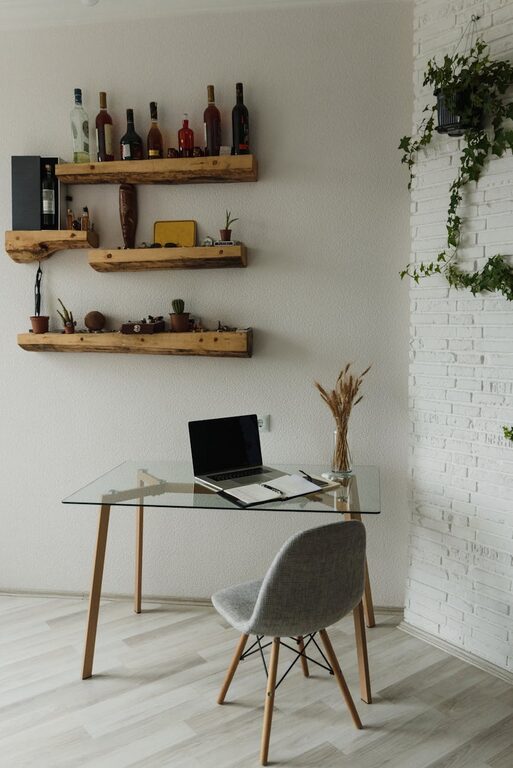
Creating a cozy and inviting home office can significantly improve your work experience, helping you feel comfortable and focused throughout the day. Whether you work from home full-time or need a dedicated spot for occasional tasks, designing a welcoming workspace makes a big difference. In this post, we’ll explore practical tips and ideas to help you create a home office that’s both functional and enjoyable.
1. Choose the Right Location
Selecting the right spot for your home office sets the foundation for your entire setup. Ideally, pick a quiet area with minimal distractions and enough natural light. If possible, avoid high-traffic spaces like the kitchen or living room to maintain focus during work hours. A spare bedroom, a corner nook, or even a converted closet can work well as long as it suits your needs.
2. Prioritize Comfortable and Supportive Furniture
Comfort plays a key role in productivity and overall well-being. Invest in an ergonomic chair that supports your posture and prevents back pain. Pair it with a sturdy desk at the right height to reduce strain on your wrists and shoulders. Adjustable desks, such as sit-stand options, provide flexibility to change positions throughout the day, which is great for your health and focus.
3. Maximize Natural Light and Add Soft Lighting
Natural light has mood-boosting and energy-enhancing benefits. Position your desk near a window if possible, and avoid glare on your computer screen by adjusting angles or using sheer curtains. In the evening or in rooms with less sunlight, add layered lighting using desk lamps, floor lamps, or overhead fixtures with warm bulbs. Soft, diffused light creates a cozy ambiance without causing eye strain.
4. Incorporate Personal Touches and Cozy Decor
Adding personal elements helps make your workspace feel inviting and motivating. Incorporate items like your favorite framed photos, artwork, or inspirational quotes. Use accessories such as throw pillows, a small rug, or curtains in soft textures to add warmth. Introducing natural elements like plants not only enhances aesthetics but also improves air quality and creates a calming environment.
5. Organize Efficiently with Smart Storage Solutions
Clutter can distract and reduce productivity, so maintaining an organized workspace is important. Use shelves, filing cabinets, or storage boxes to keep documents and supplies neatly tucked away. Drawer organizers and desk trays help separate small items like pens and paper clips. Labeling storage containers can speed up finding what you need while keeping everything tidy.
6. Manage Cords and Technology Neatly
Electronic devices are essential in a home office but often come with the challenge of tangled cords that can look messy and cause frustration. Use cable organizers, clips, or sleeves to keep wires under control. Consider wireless accessories where possible to reduce clutter. Position your computer, printer, and other gadgets so they’re easily accessible but not obstructing your workspace.
7. Choose a Soothing Color Palette
Colors can influence mood and productivity. Soft, neutral colors such as light greys, beige, and pastels create a calming atmosphere, while accent colors like blue or green can promote focus. Avoid overly bright or harsh colors that might cause visual fatigue. If you prefer a bolder look, consider using color in small doses through accessories or wall art.
8. Add Elements for Comfort and Relaxation
Incorporating items that offer comfort helps reduce stress during work hours. A cozy throw blanket draped over your chair can add warmth on cooler days. A small essential oil diffuser with calming scents like lavender or eucalyptus may enhance relaxation. If space allows, a comfy chair or small couch for short breaks supports mental refreshment.
9. Maintain Air Quality and Temperature Control
A clean, well-ventilated environment contributes to a pleasant work setting. Open windows regularly to circulate fresh air, or use an air purifier if needed. Keep the temperature comfortable—not too hot or cold—to maintain focus. A small fan or heater can help adjust conditions without disturbing others.
10. Keep a Dedicated Workspace for Work-Life Balance
Creating boundaries between your work and personal life is easier if your home office is a distinct, dedicated area. Avoid using your work desk for non-work activities like eating or leisure when possible. At the end of the day, clear your workspace and close the door if you can. This physical separation helps signal to your brain when it’s time to work and when to relax.
—
Designing a cozy and inviting home office is about blending comfort with functionality. With thoughtful choices in furniture, lighting, colors, and organization, you can create a space that inspires productivity and makes your workday more enjoyable. Remember to personalize your office to fit your style and needs—after all, it’s where you spend a good part of your day!
We hope these tips help you set up a home office space that feels just right. Happy decorating!