
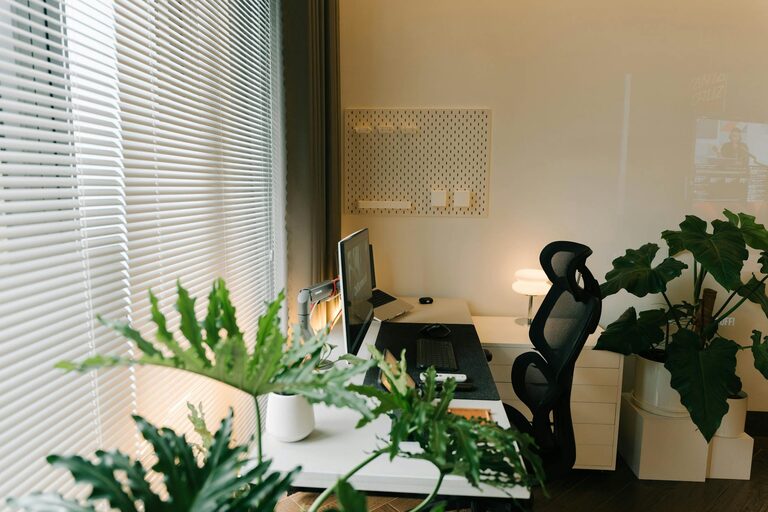
Creating a productive home office space is essential for anyone working remotely or managing tasks from home. A well-designed workspace can help you stay focused, boost creativity, and maintain a healthy work-life balance. Whether you have a dedicated room or a small corner, the key is to make your home office functional, comfortable, and inspiring. Here are practical tips to help you create a productive home office space.
Choose the Right Location
Find a Quiet Spot
Select a place in your home with minimal distractions. Ideally, this should be away from high-traffic areas like the kitchen or living room. A quiet environment helps improve concentration and reduces interruptions.
Consider Natural Light
If possible, set up your office near a window to take advantage of natural light. Natural light can improve mood and energy levels, making work more enjoyable. Avoid glare on screens by positioning your desk perpendicular to windows.
Evaluate Space Needs
Assess how much space you need based on your work requirements. If you use multiple monitors, files, or equipment, make sure your chosen spot can accommodate everything comfortably.
Invest in Quality Furniture
Ergonomic Chair and Desk
A comfortable, adjustable chair and the right desk height can prevent posture problems and fatigue. Ergonomic furniture supports your body, helping you work longer without discomfort.
Desk Size and Storage
Choose a desk with enough surface area to organize your essentials like computer, notebooks, and stationery. Consider desks with built-in storage or add shelves and drawers to keep your workspace tidy.
Organize Your Workspace
Declutter Regularly
Keep only the items you need on your desk. A clutter-free workspace reduces distractions and promotes clarity of thought.
Use Organizers
Utilize desk organizers, trays, or containers to store supplies such as pens, paperclips, and chargers. Label storage boxes to find what you need quickly.
Manage Cables
Tidy up cables using clips, sleeves, or cable boxes. This prevents tangles and hazards while making your desk look neat.
Optimize Lighting
Combine Ambient and Task Lighting
In addition to natural light, use a mix of ambient lighting (overhead lights) and task lighting (desk lamps) to reduce eye strain.
Choose Adjustable Lamps
Lamps with adjustable brightness and direction allow you to customize lighting for different tasks and times of day.
Personalize Your Workspace
Add Greenery
Plants can improve air quality and create a calming atmosphere. Consider low-maintenance plants like succulents or snake plants.
Use Inspiring Decor
Include items that motivate you, such as artwork, photos, or quotes. Personal touches make your space inviting and encouraging.
Choose Soothing Colors
Opt for colors that help you focus and feel relaxed. Soft blues, greens, or neutrals are often recommended for work areas.
Incorporate Technology Wisely
Reliable Internet Connection
Make sure your workspace has a strong internet connection to avoid disruptions during calls or downloads.
Essential Tech Tools
Ensure your computer, printer, and other devices meet your work needs. Invest in tools like noise-canceling headphones if you work in a noisy environment.
Backup and Security
Set up regular data backups and use security software to protect your work files.
Establish Boundaries and Routine
Define Work Hours
Set specific start and end times for your workday to create a routine. This helps separate work time from personal time.
Communicate Boundaries
If you live with others, explain your workspace rules to avoid interruptions during focused work periods.
Take Breaks
Schedule short breaks to stand, stretch, or step outside. Breaks help maintain productivity and reduce burnout.
Maintain Cleanliness and Comfort
Clean Regularly
Dust and clean your workspace frequently to keep it inviting and healthy.
Control Temperature
Adjust the room temperature and use fans or heaters to maintain comfort.
Use Comfortable Accessories
Consider wrist rests, footrests, or anti-fatigue mats to enhance comfort during long work sessions.
—
Creating a productive home office doesn’t require a large budget or space. With thoughtful planning and simple adjustments, you can build an environment that supports your goals and wellbeing. Start with these tips to transform your home office into a place where you can thrive professionally and personally.