
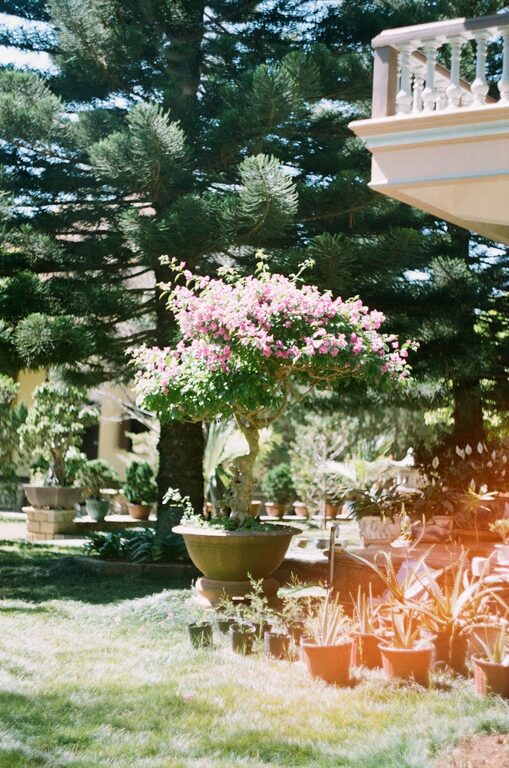
Creating a relaxing outdoor garden space at home is a wonderful way to enjoy nature, reduce stress, and add beauty to your living environment. Whether you have a small balcony or a spacious backyard, a well-planned garden can become your personal sanctuary. Here are some helpful tips to guide you through designing a calming garden space that suits your lifestyle and preferences.
Choose the Right Location
Start by selecting the best spot for your garden. Look for an area that gets a good balance of sunlight and shade throughout the day, depending on the types of plants you want to grow. Consider privacy and how visible the space is from your home or neighbors. A quiet corner away from street noise can enhance relaxation.
Plan Your Garden Layout
Sketch a rough layout of your garden space to organize where you want to place plants, seating, and decorative elements. Think about creating pathways or zones for different purposes, such as dining, reading, or meditation. Curved pathways and rounded garden beds can make the space feel more natural and inviting.
Choose Calming Plants
Plants play a key role in setting a relaxing mood. Opt for varieties known for their soothing qualities, like lavender, jasmine, or chamomile, which also add pleasant scents. Include a mix of greenery and flowering plants to provide visual interest year-round. Native plants often require less maintenance and attract local wildlife.
Incorporate Comfortable Seating
A garden’s relaxing appeal increases with comfortable seating options. Consider installing benches, hammocks, or cushioned chairs where you can sit and enjoy your garden. If space allows, add a swing or a daybed for napping or reading outdoors. Use weather-resistant materials and cushions for durability.
Add Water Features
The sound of flowing water has a naturally calming effect. Even a small fountain, a birdbath, or a tiny pond can enhance tranquility in your outdoor garden. Place these water features where you can easily hear and see them, but also ensure they are safe and well-maintained to avoid standing water issues.
Use Soft Lighting
Outdoor lighting can extend your garden’s usability into the evening hours while creating a warm atmosphere. Use solar-powered garden lights, string lights, or lanterns to gently illuminate pathways and seating areas. Avoid harsh lighting; instead, aim for soft, ambient light that complements the natural setting.
Introduce Natural Elements and Accessories
Incorporate elements like stones, pebbles, or wooden features to bring texture and a natural feel to the garden. Decorative pots, wind chimes, or garden statues can add personality without cluttering the space. Choose accessories that resonate with your sense of calm and harmony.
Maintain Simplicity and Cleanliness
Keep your garden tidy and uncluttered to promote relaxation. Regularly prune plants, remove weeds, and clean seating areas. Avoid overcrowding with too many plants or decorations. A simple, well-kept garden is often more inviting and soothing than an overly complex space.
Create Privacy
If your garden is visible to neighbors or passersby, consider ways to increase privacy. Use hedges, tall plants, trellises with climbing vines, or outdoor screens to create a sense of seclusion. This privacy can help you feel more comfortable and relaxed while using your outdoor space.
Personalize Your Space
Finally, tailor your garden to what helps you relax. Add a spot for yoga or meditation if that’s your preference. Incorporate a small herb garden if you enjoy cooking with fresh ingredients. Think about your favorite colors, scents, and textures, and weave these personal touches into the garden design.
—
Building a relaxing outdoor garden space at home is all about combining nature, comfort, and your unique style. With thoughtful planning and simple, intentional choices, you can create a peaceful retreat that invites you to slow down and enjoy quiet moments outside every day. Happy gardening!